Wednesday, October 24, 2012

Dragon


A dragon is a legendary creature, typically with serpentine or reptilian traits, that features in the myths of many cultures. There are two distinct cultural traditions of dragons: the European dragon, derived from European folk traditions and which is ultimately related to Greek and Middle Eastern mythologies, and the Chinese dragon, with counterparts in Japan, Korea and other East Asian countries.

A dragon is a mythological representation of a reptile. In antiquity, dragons were mostly envisaged as serpents, but since the Middle Ages, it has become common to represent them with legs, similar to a lizard.
 

A Dragon totem is one of the most powerful totems, representing a huge range of qualities, emotions, and traits. When Dragons come to us, it could mean many things.
The most common message a Dragon totem carry to us is a need for strength, courage, and fortitude. Dragons are also messengers of balance, and magic - encouraging us to tap into our psychic nature and see the world through the eyes of mystery and wonder.
In Chinese culture, the season of the Dragon is mid-spring, its direction is east-southeast, and its fixed element is wood.
it is said to be the most potent symbol of good fortune in the Chinese pantheon of symbols.

Symbols


By: Sara Treviño and Andrea Muñiz


THE FISH


Ichthys from the  Greek word for fish is a symbol consisting of two intersecting arcs, the ends of the right side extending beyond the meeting point so as to represent the profile of a fish, used by early Christians as a secret Christian symbol and has been in use since the days of the early church. It’s known colloquially as the "Jesus fish."
No one really knows who first came up with the acronym ichtys, but probably none of the apostles ever heard of it.
According to tradition, ancient Christians, during their persecution by the Roman Empire in the first few centuries after Christ, used the fish symbol to mark meeting places or to distinguish friends from enemies.


WIKIPEDIA


PABLO LÓPEZ MENÉNDEZ & MIGUEL DÍAZ CUERVO

Sunday, October 21, 2012


Wild boar

This animal, also known as wild pig has a lot of subspecies. It is the wild ancestor of the domestic pig.
Wild boar are native across much of Northern and Central Europe, the Mediterranean region (including North Africa's Atlas Mountains) and much of Asia as far south as Indonesia.


The body of the wild boar is compact; the head is large, the legs relatively short. The fur consists of stiff bristles and usually finer fur. The colour usually varies from dark grey to black or brown, but there are great regional differences in colour.
During winter the fur is much denser.
The Wild Boar is quite a variably sized mammal. In exceptionally large specimens, the species can rival the size of the Giant forest hog, the largest extant species of wild suid. Adult boars can measure from 90 to 200 cm.


They are omnivorous scavengers, eating almost anything they come across, including grass, nuts, berries, carrion, nests of ground nesting birds, roots, tubers, refuse, insects and small reptiles. Wild boar in Australia are also known to be predators of young deer and lambs.  


 It has some symbolic meanings, for example:

In the Asterix comic series set in Gaul, wild boar are the favourite food of Obelix whose immense appetite means that he can eat several roasted boar in a single sitting.


The wild boar image, its often used as a team logo, because it looks powerful and strong.


This is the logo of a hockey team.


By: Alicia García and Lucía Herrero.

Saturday, October 20, 2012

ICONS, SYMBOLS & LOGOS

This week we've been doing the "Icon - Symbol - Logo" activity. It consists on choosing an animal or an object and then drawing its icon, which is drawing it exactly the way it looks. Afterwards, you have to draw a symbol and that's more difficult, because you have to represent the same drawing but more abstract. And finally, you have to create a logo. This is the coolest part because you have to work a lot with your imagination and come out with something original that has to have some relation with your topic.

Here we have some examples:

Sara Barahona's project:

ICON:


SYMBOL:


LOGO:


Sara Merino's project:


ICON:


SYMBOL:


LOGO:


Sara Barahona & Sara Merino


Saturday, October 13, 2012

The Octopus

     The octopus is an animal caractherized by their eight arms. Ancient people of the mediterranean were aware of the octopus, as evidenced by certain artworks and designs of prehistory. Octopus were also depicted in the art of the Moche, who whorshipped the sea and its animals.  
Vase from a Mycenanean Greek cemetery at Prosymna.
Yearly Cycle of Power:  Summer, Fall
Time of Power: Night
Attributes: Disguise, Deception, Colour, Intelligence, Texture, Touch, Versatility, Wisdom

In Mitology.
     The Hawaiian  creation Myth relates that the present cosmos is only the last of a series, having arisen in stages from the wreck of the previous universe. In this account, the octopus is the lone survivor of the previous, alien universe.
     In Pacific Mithology the Octopus, or Kupe, according to legend, a man named Kupe was fishing near his home on Raiatea when an octopus stole his fishhooks with its many arms. Enraged, Kupe jumped into his canoe and pursued the beast for 35 days. By that time he had covered 2,400 miles to the south-west and there he sighted an island larger than any he had ever seen before: North Island, New Zealand. He sailed back and invited his compatriots to follow him to the new found land. They did so and became the Maoris.

In Literature.
     The octopus has a significant role in Victor Hugo's book Travailleurs de la mer (Toilers of the sea).

Other forms:
     Years ago, the ancient sailors said that a huge animal lives under the sea, it has eight legs and a big mouth. The also said that this animal atacks the ships and eats his sailors. They called it Kraken.
Kraken.


 LINKS:
Tonmo.com
Spiricanada.com
Wikipedia - Kraken
Wikipedia - Octopus


Wednesday, October 10, 2012

Animals, animals, animals

If you need some reference with your work about icons, symbols and totem animals, here you can see a few drawings and the name of each animal.


Do you know these expressions ? That´s a list of animal idioms.


Idiom

From Wikipedia, the free encyclopedia


"An idiom (Latinidioma, "special property", f. Greekἰδίωμα – idiōma, "special feature, special phrasing",
f. Greekἴδιος – idios, "one’s own") is an expression consisting of a combination of words that has a figurative
 meaning. The figurative meaning is comprehended in regard to a common use of the expression that is separate
 from the literal meaning or definition of the words of which it is made.[1]
 Idioms are numerous and they occur frequently in all languages.
There are estimated to be at least 25,000 idiomatic expressions in the English language.[2]"


The history of the Windows logos

Microsoft Windows have been experienced a lot of changes in their logos. The first logo were done in 1985, exactly, in november. 
The first logo were 5 years. This first logo had 3 different versions: 1.0 - 2.0 and 2.03. The logo were formed by 4 asimetric parts. The drawing were blue. 


The second logo were very different, compared with the first. This try to send an idea of speed and dynamism. We can see 5 different colours: red, blue, yellow, green and black. This logo were designed in 1990, but in 1995, they company, changed.

In august 1995, Windows changed a little the logo. The included a sky, and they put Microsoft in white color, and they also included the year in which they designed the logo: 1995.


Three years later, Windows change the logo. Only a little. All the letters that were in the picture were black. The only detail is that they include the name of Microsoft.

When we went in to 21th century, Windows change another time the logo. This were more revolutionary. They put the logo in a window, with some other windows near them. Finally, they continue with same things: All the letters in black, with year. But the name of Microsoft disappear, like the sky.


The company also did an special edition.

One year later, Windows produce a new logo, which I think is the most beatiful. The include 3D images and the word "XP" which cames fro the complete word, eXPerience.


The next logo were called "Windows Vista" and they had two different pictures. The first, doesn´t have so much changes. They only have changes in second word: isn't bold. The second only have the pictu, not the words.

With the problems of Windows Vista, Microsoft put in the shops Windows 7. The only change are the words, the other things, are the same.


And the last of the Windows logos. Microsoft 8. They remember to the first. The blue is the predominant colour, and the letters in white colour.

Wednesday, October 3, 2012

The peacock


File:Pfau imponierend.jpg File:Pavo cristatus -Tierpark Hagenbeck, Hamburg, Germany -female-8a (1).jpg

This animal have been used for so many iconic represations, incluying being the national bird of India in 1963. In this country they represent in the art, mythology, poetry, folk-music and traditions. 

A story in the Uttara Ramayana describes the head of the Devas, Indra, who unable to defeat Ravana, sheltered under the wing of peacock and later blessed it with a "thousand eyes" and fearlessness from serpents. Another story has Indra who after being cursed with a thousand ulcers was transformed into a peacock with a thousand eyes. In Buddhist philosophy, the peacock represents wisdom. Peacock feathers are used in many rituals and ornamentation. Peacock motifs are widespread in Indian temple architecture, old coinage, textiles and continue to be used in many modern items of art and utility. In Greek mythology the origin of the peacocks plumage is explained in the tale of Hera and Argus. The main figure of the Kurdish religion Yezidism, Melek Taus, is most commonly depicted as a peacock. Peacock motifs are widely used even today such as in logo of the US NBC television network and the Sri Lankan Airlines.

The peacock is originary from the India, where Alejandro Magno catch it in there conquests in Babilonia, and where there also die. These animal extend into Persia and where the romans catch into Italia.


Tratan de identificar a un pavo real que atacó a un niño en un parque de Gijón


These birds were often kept in menageries and as ornaments in large gardens and estates. A reference in the Bible mentions a peacock owned by King Solomon. In medieval times, knights in Europe took a "Vow of the Peacock" and decorated their helmets with its plumes. Feathers were buried with Viking warriors and the flesh of the bird was said to cure snake venom and many other maladies. Numerous uses in Ayurveda have been documented. Peafowl were said to keep an area free of snakes. In 1526, the legal issue as to whether peacocks were wild or domestic fowl was thought sufficiently important for Cardinal Wolsey to summon all the English judges to give their opinion, which was that they are domestic fowl.

In Anglo-Indian usage of the 1850s, to peacock meant making visits to ladies and gentlemen in the morning. In the 1890s, the term "peacocking" in Australia referred to the practice of buying up the best pieces of land ("picking the eyes") so as to render the surrounding lands valueless. The English word "peacock" has come to be used to describe a man who is very proud or gives a lot of attention to his clothing.


The peacock where into the NBC logo. A TV channel in South America. A DJ have been also catch this animal to their company. Another, not so much knowing by the people, is a restaurant in Panmá called "Pavo real". Finally, an internacional conexion, called "Hafla" use the plumage of the peacock.

 
But this animal also attack. Two months ago, one peacock attacked a little boy in a park in Gijon. The boy were going to give him some bread and the animal gave a peck to the boy. 

By: Bruno Álvarez & Nel Suárez
Images: Google Images
Text: Wikipedia

Thursday, September 27, 2012

Totem animals: Symbols, brands and meanings


EXERCISE FOR STUDENTS OF 3rd. LEVEL
  1. You have to join each name with the appropiate image and definition.
  2. In pairs, choose one of them (It´s necessary not repeat the same animal)
  3. Look for more information abour the meaning of this symbolic animal. Search examples in Art, History, legends, etc
  4. You have to find logos, brands and icons where we can see the animal related to.
  5. Write a post with the information and add more images and drawings.

For learn more: http://artspilesenglish.blogspot.com.es/2011/11/symbols-on-line-encyclopedia-quite.html

Saturday, September 22, 2012

FIRST TASK, FIRST LEVEL


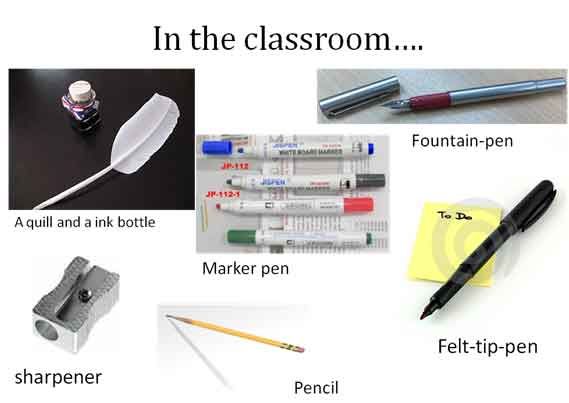
We are going to learn a few words about the main vocabulary of the subject.

Next class, I will give you  an object related and a piece of paper to draw it. Write a  a post, a short sentence with the word in English  adding your  uploaded image.
For example:

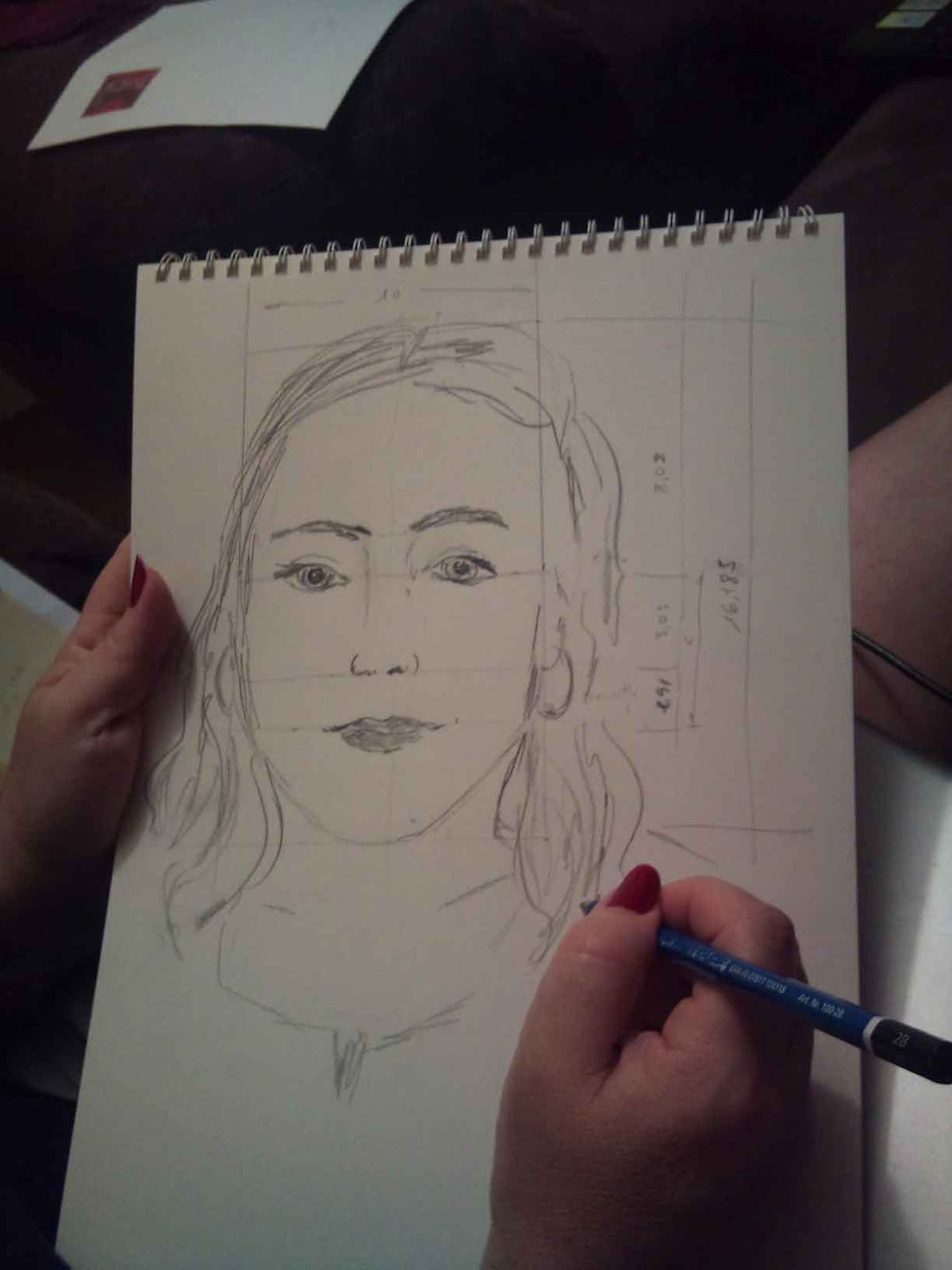
I draw a portrait with soft pencils.


Racing flags


There is a tide in the affairs of men,
Which, taken at the flood, leads on to fortune. (Julius Caesar, 4.3.249-250) William Shakespeare

Come gather ’round people
Wherever you roam
And admit that the waters
Around you have grown
And accept it that soon
You’ll be drenched to the bone
If your time to you is worth savin’
Then you better start swimmin’ or you’ll sink like a stone
For the times they are a-changin’

Come writers and critics
Who prophesize with your pen
And keep your eyes wide
The chance won’t come again
And don’t speak too soon
For the wheel’s still in spin
And there’s no tellin’ who that it’s namin’
For the loser now will be later to win
For the times they are a-changin’

Come senators, congressmen
Please heed the call
Don’t stand in the doorway
Don’t block up the hall
For he that gets hurt
Will be he who has stalled
There’s a battle outside and it is ragin’
It’ll soon shake your windows and rattle your walls
For the times they are a-changin’

The line it is drawn
The curse it is cast
The slow one now
Will later be fast
As the present now
Will later be past
The order is rapidly fadin’
And the first one now will later be last
For the times they are a-changin’

Another version: Bruce Springsteen "The Times They Are A-Changin'" 1997

Welcome , students, to a new academic year in this Bilingual Project. I wish that activities can be exciting and challenging for you. Our "race" started a week ago and its necessary to give you  some ideas previously. Most races have some general instructions to runners in the minutes before the gun. 


  1. You will continually be asking yourself, "What am I doing here?" Be patient.
  2. You must know why your work is important
  3. The blog is a tool, it isn´t your "enemy". It´s  way to enrich your fluency in English writing and expression.
  4. You need practice writing. We all do.
  5. Pay attention to books and websites references. I won´t allow to use texts or images without mentioning author or where you extracted from.
  6. And finally, respect your fellows´posts. Criticism is good but your comments have to provide ideas and advices in a positive way.

Good luck, "Ready... set... go"?

Special thanks to Felix Martin for his unpayable help choosing the most appropiate music and lyrics .